Night lights and sleep: warm light, dusk-to-dawn sensors and what actually helps

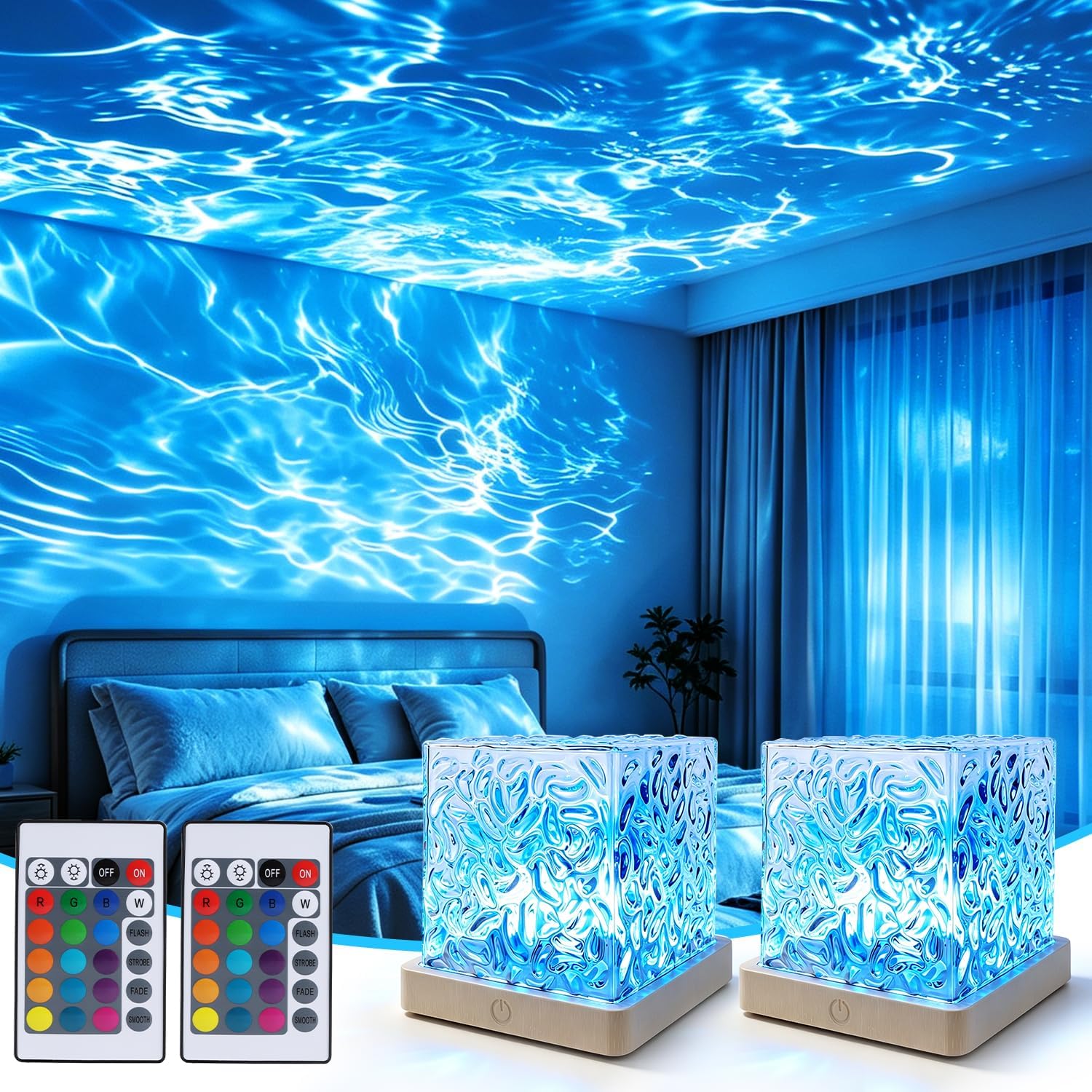
Navigating the world of children’s sleep can feel like a complex puzzle, and night lights often feature prominently in that discussion. Parents understandably want to create a comforting environment, one that eases any fears of the dark, but there’s a delicate balance to strike. The right light can offer reassurance, yet the wrong kind or intensity might inadvertently disrupt the very sleep we are trying to encourage.
Understanding how different types of light interact with our natural sleep cycles is crucial. From the colour temperature of the glow to the clever technology of dusk-to-dawn or motion sensors, selecting an appropriate night light involves more than just aesthetics. This guide aims to demystify the options, providing practical insights into choosing and utilising night lights effectively to support healthy, restorative sleep for your little ones.
Understanding Light and the Circadian Rhythm
Our bodies operate on a roughly 24-hour internal clock, known as the circadian rhythm, which largely dictates our sleep-wake cycles. This rhythm is profoundly influenced by exposure to light and darkness. Specifically, the production of melatonin, a hormone essential for sleep, begins as darkness falls, signalling to the body that it’s time to rest and unwind for the night.
However, artificial light, particularly certain wavelengths prevalent in modern lighting, can interfere with this natural process. Exposure to such light during the evening hours can suppress melatonin production, making it harder to fall asleep and potentially impacting sleep quality. Recognising which light characteristics are least disruptive is therefore fundamental when considering nighttime illumination.
The Importance of Warm Light
The colour of light, measured in Kelvin (K), significantly impacts its effect on our bodies. Cooler, bluer lights (typically above 4000K) are known to be more stimulating. They mimic daylight and effectively suppress melatonin, signalling wakefulness. This is why bright white or blue-toned lights are generally unsuitable for bedtime environments.
Conversely, warm, amber, or red-toned light (below 3000K) has a much lower impact on melatonin production. These longer wavelengths are far less disruptive to the circadian rhythm, making them the preferred choice for night lights. They provide a gentle glow sufficient for comfort and navigation without sending wake-up signals to the brain.
Brightness Levels and Strategic Placement
When it comes to night lights, the principle of “less is more” truly applies. The goal is to provide just enough illumination to alleviate fear of the dark or to allow for a quick, safe check on a sleeping child, not to brightly light the entire room. An overly bright night light can be counterproductive, acting as a sleep disruptor.
Careful placement is also key. Position the night light low to the ground, perhaps in a corner or behind a piece of furniture, away from the child’s direct line of sight when they are in bed. This minimises direct eye exposure to the light, ensuring it serves its purpose without becoming an unwanted visual stimulus during sleep.
The Convenience of Dusk-to-Dawn Sensors
Many modern night lights come equipped with intelligent features designed to optimise their function. Dusk-to-dawn sensors are a prime example, offering remarkable convenience. These clever devices automatically detect ambient light levels in the room, switching the night light on as darkness falls and turning it off again when daylight returns.
This automated functionality ensures that the night light is only active precisely when it’s needed, without any manual intervention. It helps maintain consistent light conditions throughout the night, removes the need for parents to remember to switch lights on or off, and contributes to energy efficiency by only operating during hours of darkness.
When Motion Sensors Make Sense
Another smart feature gaining popularity is the motion sensor. Unlike dusk-to-dawn lights that stay on all night, motion-activated night lights only illuminate when movement is detected within their range. This provides intermittent light, appearing only when a child stirs, gets out of bed, or when a parent enters the room.
The advantage here is that the room remains completely dark for the vast majority of the night, preserving the optimal sleep environment. This targeted illumination is particularly beneficial for older children who might occasionally get up for the toilet, or for parents making quick nighttime checks, minimising constant light exposure.
Safety First: Practical Considerations
While the focus is often on light quality and function, the safety of any electrical item in a child’s room cannot be overstated. For plug-in night lights, ensure they are securely fitted into wall sockets and are not loose. Always keep them clear of curtains, blankets, or any other fabrics that could cover them and pose a potential fire hazard.
Consider the materials of the night light itself. Look for durable, child-friendly construction, free from small, detachable parts that could present a choking risk. Products like acrylic safety mirrors, often used in nurseries, highlight the importance of robust, shatterproof design in children’s items, and night lights should meet similar standards of robust safety.
Night Lights for Comfort and Security
Beyond the scientific aspects of light and sleep, there’s a significant psychological dimension to night lights. For many children, particularly toddlers and preschoolers, the dark can be a source of anxiety or fear. A soft, reassuring glow can transform a potentially scary space into a comforting haven, helping them feel safe and secure.
This sense of security is vital for encouraging independent sleep and reducing bedtime resistance. It’s about empowering children to settle in their own space, knowing that they are not in complete darkness, without the light being so stimulating that it hinders their ability to relax and drift off to sleep peacefully.
Creating the Optimal Sleep Environment
It is important to remember that a night light is just one element within a broader strategy for promoting healthy sleep. The foundation of good sleep hygiene includes ensuring the room is genuinely dark for the majority of the night, especially during the initial hours of sleep when melatonin production is highest and deepest sleep occurs.
Alongside a carefully chosen night light, other factors such as a consistent bedtime routine, a quiet sleeping environment, and a comfortable room temperature all play critical roles. Night lights should complement these foundational elements, addressing specific needs for comfort or navigation without compromising the overall quality of the child’s sleep.
The short version
- Choose warm, amber, or red-spectrum night lights to minimise melatonin disruption and support natural sleep cycles.
- Opt for dim brightness, placing lights strategically low and out of direct sight to provide comfort without stimulation.
- Utilise sensors (dusk-to-dawn or motion) to ensure light is only present precisely when genuinely needed, preserving darkness otherwise.
Where to go next
Everything discussed here sits under Night Lights in our shop. Delivery and returns are set out on the Shipping Policy and Refund and Returns Policy pages. If something here does not answer your question, ask us directly — we would rather talk it through than have you buy the wrong thing.