Designing a nursery that still works when your child turns six

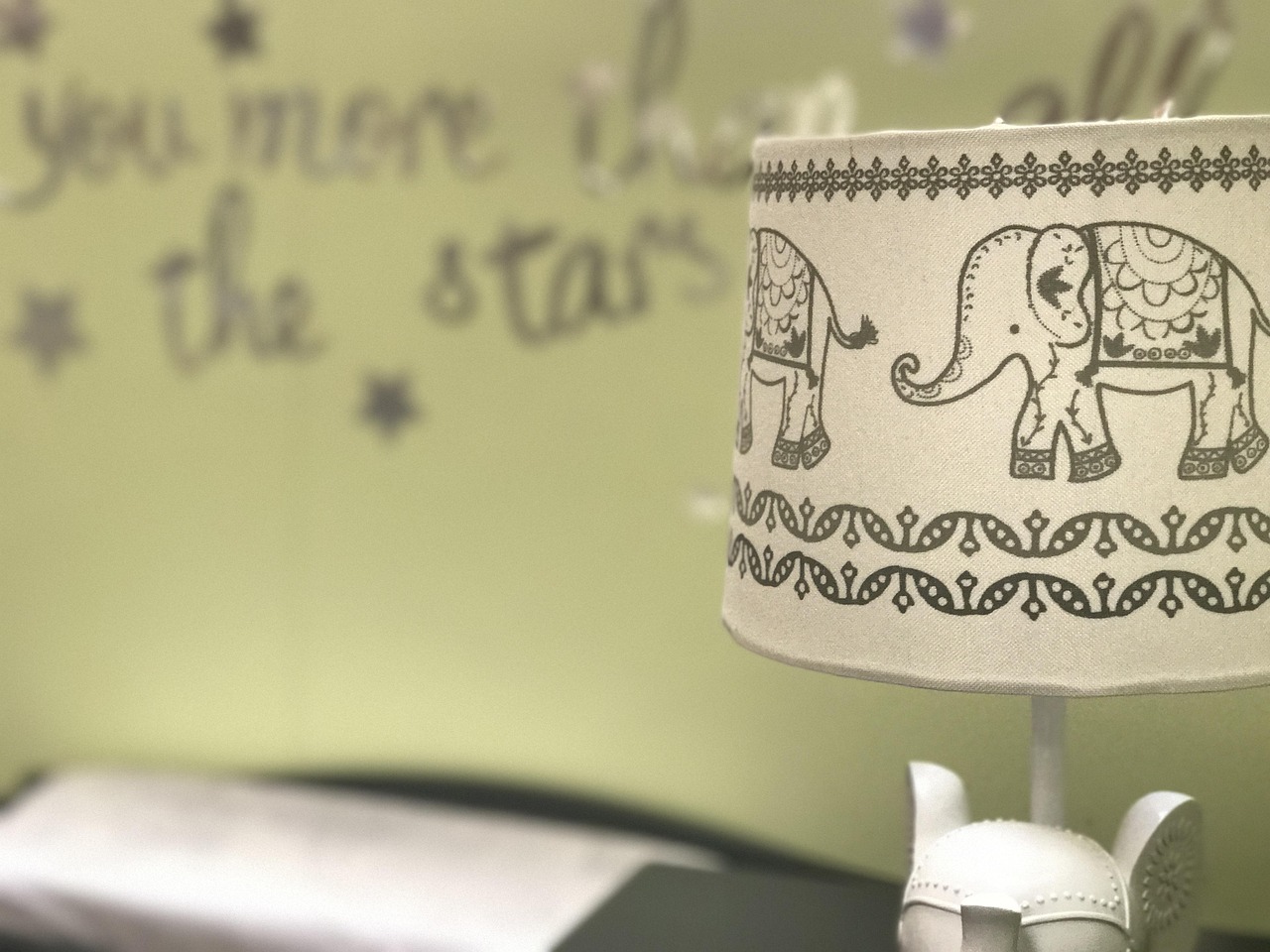
The arrival of a new baby brings a wave of excitement, and for many parents, designing the nursery is a treasured part of the preparation. It’s a space that needs to be safe, stimulating, and serene, reflecting the wonder of this new chapter. However, children grow astonishingly fast, and a room perfectly suited for a newborn might feel incredibly out of place by the time they start school.
The challenge then becomes creating a nursery that not only nurtures your infant but also gracefully transitions into a functional and inspiring bedroom for a preschooler or even a child approaching their primary school years. By making thoughtful decisions from the outset, focusing on versatility and longevity, you can avoid costly and time-consuming redecorations every few years. This approach ensures your child’s space evolves with them, offering comfort and continuity.
Choose a Neutral Foundation
Starting with a neutral base for the room’s main elements offers immense flexibility. Think soft greys, calming whites, muted greens, or gentle creams for walls and larger furniture pieces. These foundational colours provide a serene backdrop that doesn’t dictate a specific theme, allowing for diverse styles and easy updates later on. A neutral palette fosters a calm environment, ideal for both babies and older children.
This understated approach means you can introduce accent colours and patterns through easily changeable items like textiles, accessories, and decorative wall art. When your child’s favourite colour shifts from pastel yellow to vibrant blue, updating the room is as simple as swapping out a cushion or a blanket, rather than embarking on a full repaint. It’s a timeless strategy that supports evolving tastes.
Invest in Adaptable Furniture
Cribs that Convert
When selecting nursery furniture, consider pieces designed for longevity. A convertible crib is an excellent investment, transforming from an infant’s cot into a toddler bed, and often later into a daybed or even a full-size headboard. This eliminates the need to purchase entirely new sleeping arrangements every few years, saving both money and effort while providing a familiar sleeping space for your child.
Multi-purpose Dressers
Similarly, a sturdy dresser with a removable changing topper can serve as a baby changing station initially, then seamlessly transition into a standard chest of drawers for clothing. Look for classic, robust designs that won’t feel out of place in a child’s room. Good quality construction ensures these pieces will withstand years of use and remain functional as needs change.
Smart Wall Decor Choices
Removable Elements
Wall decor is where you can infuse personality and theme, but remember that tastes change quickly. Peel-and-stick decals are a fantastic option for nurseries, offering whimsical designs that can be easily removed or updated without damaging paintwork. They allow you to introduce playful elements that can be swapped out for more age-appropriate designs as your child grows, maintaining a fresh look.
Evolving Gallery Walls
Instead of committing to a large, baby-specific mural, consider creating a flexible gallery wall. Start with charming wall art sets featuring animals or abstract shapes. As your child develops, you can gradually replace these with prints reflecting their current interests, family photos, or even their own early masterpieces. Acrylic safety mirrors can also be incorporated, adding light and a playful element that remains practical.
Flexible Lighting Solutions
Lighting in a child’s room needs to be versatile. Begin with a main overhead light that provides ample, dimmable illumination for general use and nighttime feeds. The ability to adjust brightness is key, transitioning from bright for playtime to soft for winding down. Consider fixtures with a timeless design that won’t look out of place as the room matures.
Supplement the overhead light with task lighting, such as a floor lamp or a sturdy table lamp on a dresser for reading. Plug-in night lights are indispensable in the early years, offering a soft glow for comfort and easy navigation in the dark. These can continue to be useful for older children who appreciate a little reassurance, ensuring the room remains comfortable at all ages.
Scalable Storage Systems
Effective storage is paramount in any child’s room, and it evolves significantly from infancy to school age. Plan for a system that can accommodate tiny baby clothes, a growing collection of toys, and eventually books, school projects, and hobby supplies. Look for modular units or robust shelves that can be adjusted or expanded over time.
Large, deep drawers in a dresser work well for clothes at any age. Open shelving with decorative baskets or fabric bins allows for easy access and quick tidying, adapting as the type and size of items change. Labelled containers can help older children learn to organise their belongings, fostering independence and keeping the room functional and tidy for years.
Durable and Cosy Flooring
The flooring in a nursery needs to be both comfortable and resilient. Hardwood or laminate floors are practical choices for their durability and ease of cleaning, especially important for inevitable spills and accidents. However, a hard surface alone lacks the warmth and softness essential for a baby’s crawling and an older child’s playtime.
An area rug provides that crucial layer of comfort and insulation. Select a rug made from durable, easy-to-clean materials, perhaps with a low pile to prevent tripping. Opt for a pattern or solid colour that complements your neutral room foundation rather than an overtly childish design. A well-chosen rug from AREA New York can anchor the room, define the play space, and grow seamlessly with your child.
Prioritise Safety and Accessibility
Safety is non-negotiable from day one and remains critical as your child grows. Ensure all furniture is securely anchored to the wall to prevent tipping. Cover electrical outlets, secure window blind cords, and choose non-toxic finishes for paints and furniture. Regularly inspect the room for potential hazards, adapting as your child reaches new developmental stages.
As your child becomes more independent, consider accessibility. Position shelves and storage at a height they can reach themselves, empowering them to choose and put away their toys. A sturdy step stool can aid access to sinks or higher shelves. Incorporating acrylic safety mirrors, rather than glass, ensures reflective surfaces are safe for active play, providing peace of mind.
Embrace Evolving Personalisation
While the room’s core design should be adaptable, it’s vital to allow for personalisation that reflects your child’s developing personality. The beauty of a neutral foundation and versatile furniture is that it creates a blank canvas. This means you can easily update the room’s character through smaller, more affordable elements that are simple to change.
Encourage your child’s input as they get older. Swap out cushion covers, introduce new bedding, or display their favourite drawings and crafts. A magnetic board or a cork pinboard provides a dedicated space for them to showcase their current obsessions, allowing the room to feel truly theirs without requiring a complete design overhaul every few years. This makes the space feel current and cherished.
The short version
- Build on a neutral foundation: Opt for timeless colours and versatile furniture that serve as a calm, adaptable backdrop for any age.
- Choose adaptable and durable items: Invest in furniture that converts, and decor like peel-and-stick decals or gallery walls that can be easily updated.
- Prioritise flexible accessories: Use area rugs, plug-in night lights, and wall art sets to introduce colour and personality, allowing for easy, low-cost changes as your child grows.
Where to go next
Everything discussed here sits under Wall Art and Prints in our shop. Delivery and returns are set out on the Shipping Policy and Refund and Returns Policy pages, and you may also want How to hang a gallery wall in a child’s room without ruining the plaster. If something here does not answer your question, ask us directly — we would rather talk it through than have you buy the wrong thing.