Peel-and-stick wall decals: which walls they work on and which they do not

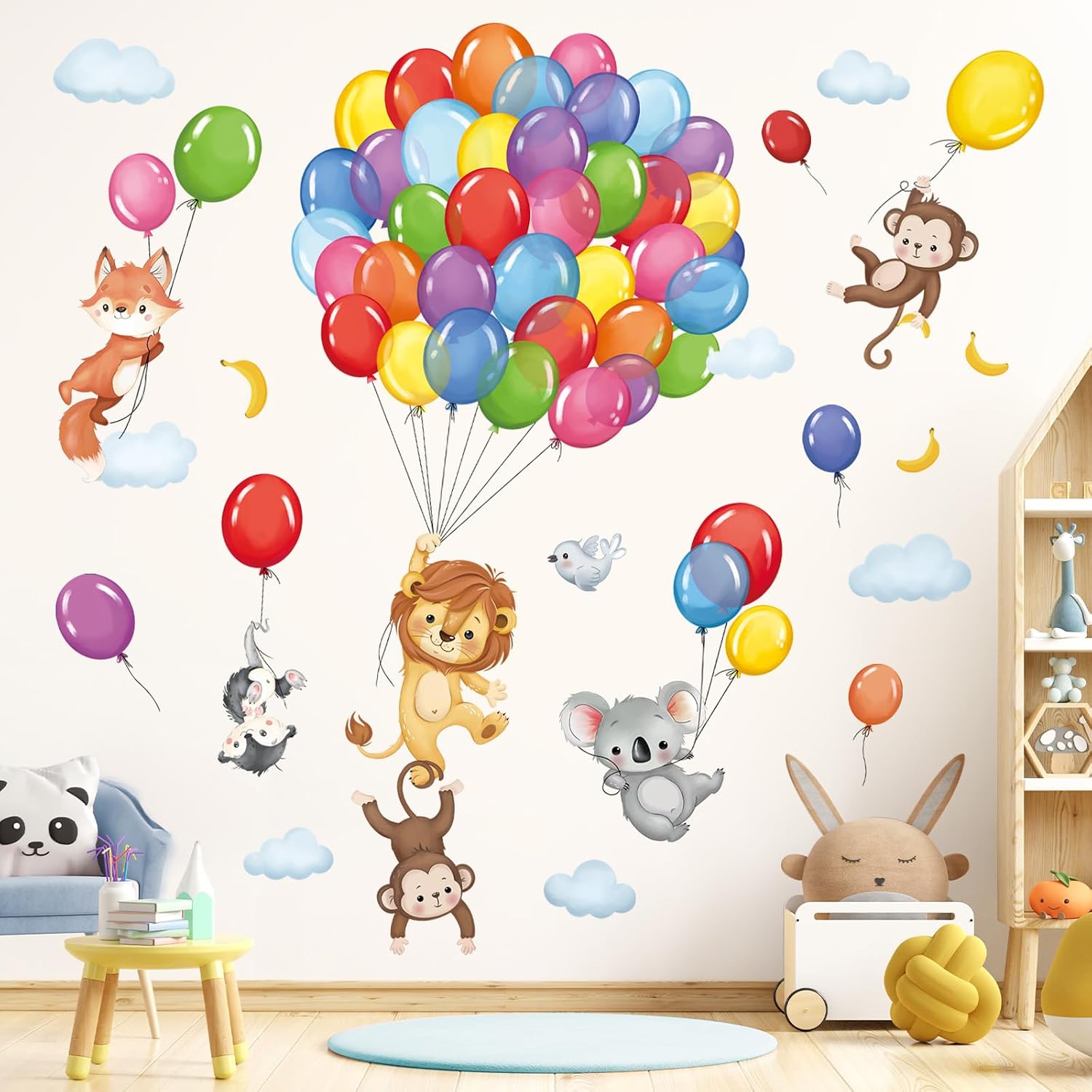
Peel-and-stick wall decals offer a fantastic way to instantly transform a room, adding bursts of colour, character, and imaginative themes without the commitment or mess of paint or wallpaper. They are especially popular for nurseries, playrooms, and children’s bedrooms, providing a flexible and often temporary design solution that can evolve as your child grows. The simplicity of application is a major draw, but achieving that flawless, long-lasting finish depends significantly on the surface you choose.
While the convenience of these decorative elements is undeniable, not all walls are created equal when it comes to accommodating adhesive applications. Understanding the characteristics of different wall types and finishes is crucial to ensure your decals adhere properly, look their best, and remain a charming feature for years to come. This guide will walk you through the specifics, helping you identify the ideal canvases and those surfaces best avoided for your peel-and-stick designs.
Understanding Surface Texture
The fundamental principle behind successful decal application lies in the smoothness of the wall surface. Peel-and-stick decals rely on creating a strong bond across their entire adhesive backing. Any significant texture, whether it is from plaster, paint, or previous repairs, introduces microscopic air pockets and reduces the direct contact area between the decal and the wall, severely compromising adhesion.
Walls with a pronounced texture, such as those with an orange peel, knockdown, or heavily stuccoed finish, are generally unsuitable. The adhesive simply cannot grip effectively onto an uneven surface, leading to edges lifting, bubbling, and the decal eventually peeling away entirely. Even subtle textures can cause problems over time, so always consider how flat and uniform your wall feels to the touch before application.
Newly Painted Walls
The Curing Process
Applying decals to newly painted walls is a common mistake that can lead to significant issues. Paint does not simply dry; it undergoes a crucial curing process, where solvents evaporate and the paint hardens and strengthens its bond with the wall. This period can vary significantly depending on the paint type, humidity, and ventilation, but it is much longer than the surface-dry time.
Consequences of Haste
Attempting to apply decals before the paint has fully cured can result in the decal failing to stick, bubbling, or, worse, peeling off strips of fresh paint when removed. Most paint manufacturers recommend waiting at least two to four weeks, sometimes even longer for oil-based paints or darker colours, before applying any adhesive products. Always consult the paint tin for specific curing instructions.
Gloss and Semi-Gloss Finishes
Walls painted with gloss or semi-gloss finishes present a unique challenge for peel-and-stick decals. These paint types are formulated to be smooth, hard, and often non-porous, making them highly resistant to moisture and stains. While the smoothness might seem ideal at first glance, their inherent slickness and low porosity can significantly hinder the decal’s adhesive from forming a strong, lasting bond.
The very properties that make gloss paints durable and easy to clean also make them less receptive to adhesives. Decals applied to such surfaces may initially appear to stick, but they are more prone to lifting at the edges or peeling off completely over time. If you must use these finishes, it is highly recommended to perform a discreet test patch in an inconspicuous area first, observing adhesion for a few days.
Matte and Eggshell Finishes
When it comes to ideal surfaces for peel-and-stick wall decals, matte and eggshell paint finishes are generally your best bet. These finishes offer a slight porosity and a gentle texture that provides an excellent grip for the adhesive without creating air pockets. They strike the perfect balance between being smooth enough for full contact and having just enough tooth to hold the decal firmly in place.
Walls painted with matte or eggshell finishes typically allow for easy application and robust, long-term adhesion, assuming the wall is clean and properly prepared. The non-reflective nature of these paints also helps the decals integrate seamlessly into the wall, avoiding any distracting glare. Always ensure the surface is free from dust, dirt, or grease before beginning your application process for optimal results.
Wallpapered Walls
Applying peel-and-stick decals directly onto wallpaper is generally not recommended, for several important reasons. Firstly, the adhesive used on most wallpapers is designed for permanent application, and applying another adhesive layer on top can weaken the wallpaper’s bond, potentially causing it to bubble, wrinkle, or even peel away from the wall. This is especially true for older or delicate wallpapers.
Secondly, the texture of wallpaper itself varies greatly. Heavily textured wallpapers, such as anaglypta or flocked designs, will present the same adhesion problems as textured paint. Even smooth vinyl wallpapers can be problematic due to their non-porous surface, similar to gloss paint. Furthermore, removing decals from wallpaper risks tearing or damaging the underlying paper, leaving an unsightly mark.
Textured Plaster and Concrete
Surfaces like textured plaster, exposed concrete, or brick walls, while visually striking in their own right, are fundamentally incompatible with peel-and-stick wall decals. The highly irregular and porous nature of these materials prevents any adhesive product from achieving full contact or forming a reliable bond. Applying decals to such surfaces will invariably lead to poor adhesion, lifting edges, and rapid detachment.
Even if you manage to press a decal onto a heavily textured surface, it is unlikely to stay put for long, and the effort will be wasted. For these challenging environments, alternative decorative solutions that do not rely on surface adhesion, such as framed art, hanging banners, or freestanding elements, would be far more appropriate and offer a much more satisfying and lasting aesthetic impact.
Unconventional Surfaces
Glass and Metals
Beyond traditional painted walls, peel-and-stick decals can surprisingly adhere very well to certain unconventional smooth surfaces. Glass, for instance, offers an exceptionally flat and non-porous canvas, making it an excellent candidate for decals on windows, mirrors, or glass panels. Similarly, smooth, non-porous metal surfaces, such as appliances or locker doors, also provide a strong and lasting bond.
Wood and Laminates
When considering wooden surfaces, the finish is paramount. Smooth, sealed, or varnished wood, like that found on furniture, doors, or cabinet fronts, can work well, provided it is clean and fully cured. However, raw, unfinished, or rough-sawn wood will suffer from the same texture and porosity issues as plaster. Laminate surfaces, being inherently smooth, generally present good adhesion for decals too.
Environmental Factors
Beyond the wall’s surface type, the environmental conditions during and after application play a crucial role in the decal’s long-term adhesion. Extreme temperatures or humidity levels can significantly affect the adhesive’s performance. Applying decals in very cold rooms might stiffen the material and adhesive, making it harder to conform to the wall and achieve a strong initial bond.
Conversely, high humidity can trap moisture between the decal and the wall, weakening the adhesive over time and potentially leading to bubbling or peeling. Ideally, room temperature should be moderate, typically between 18-25°C, and humidity levels should be comfortable, not excessively damp or dry. Ensuring these conditions during installation helps guarantee the best possible outcome for your wall decals.
The short version
- Smooth, clean, matte or eggshell painted walls are ideal. Ensure new paint has fully cured for at least two to four weeks before applying.
- Avoid highly textured surfaces, gloss paints, and wallpaper. These surfaces prevent proper adhesion, leading to lifting, bubbling, or damage upon removal.
- Consider environmental conditions during application. Moderate room temperature and humidity are crucial for the adhesive to bond effectively and lastingly.
Where to go next
Everything discussed here sits under Wall Decals and Stickers in our shop. Delivery and returns are set out on the Shipping Policy and Refund and Returns Policy pages. If something here does not answer your question, ask us directly — we would rather talk it through than have you buy the wrong thing.