Choosing a rug for a nursery: pile height, washability and the slip test

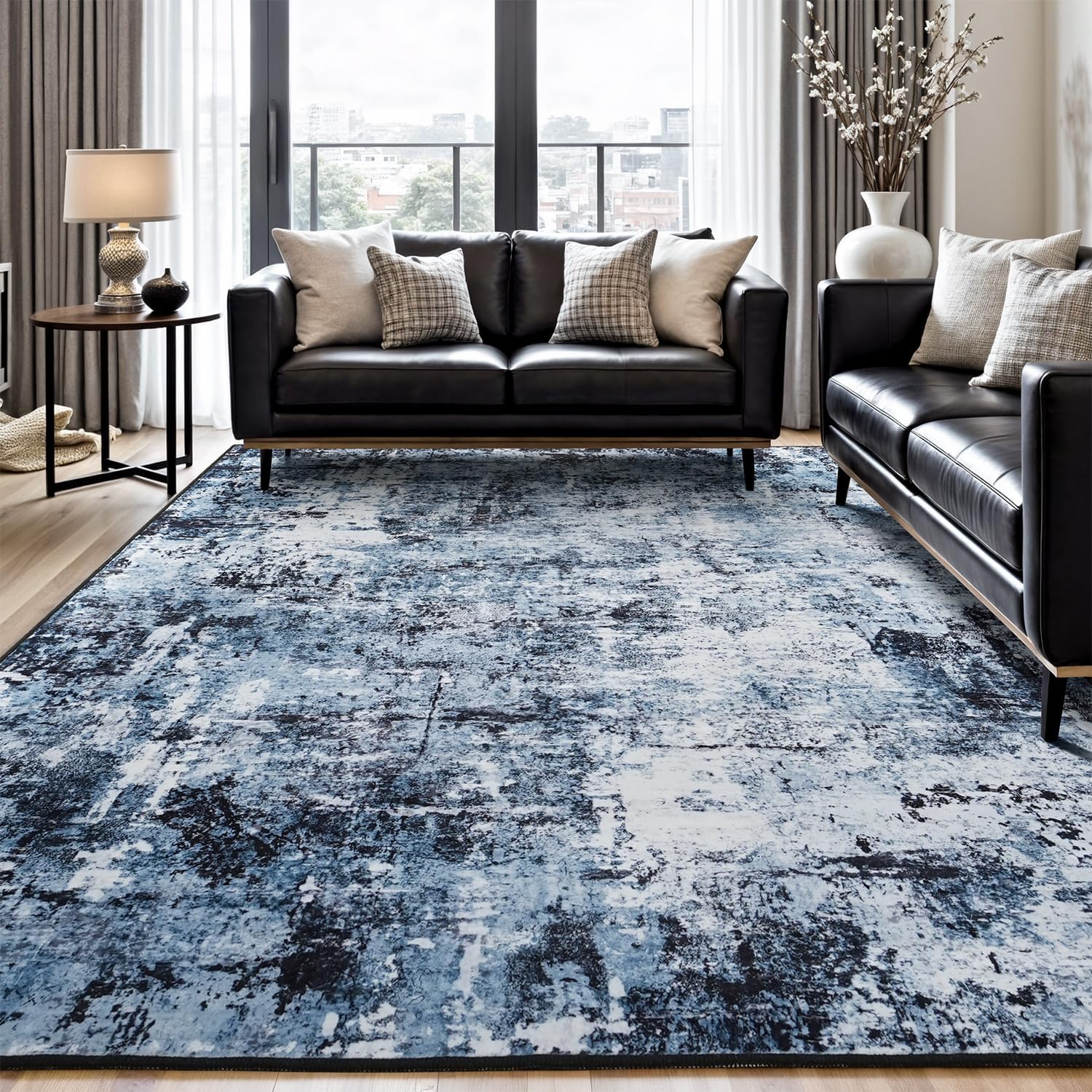
Choosing a rug for a nursery is about more than just aesthetics; it’s a significant decision that impacts comfort, safety, and the overall functionality of the space. A well-chosen rug can anchor the room’s design, provide a soft landing for little ones learning to crawl or walk, and even help to dampen sound, creating a calmer environment for sleep and play. It becomes a central feature where countless memories will be made, from tummy time to story time.
This article will guide you through the practical considerations involved in selecting the perfect nursery rug. We’ll delve into essential aspects like understanding different pile heights, ensuring the rug stays securely in place through various safety measures, and discussing the crucial element of washability in a room prone to spills and accidents. Our aim is to equip you with the knowledge to make an informed choice that combines style with the utmost practicality for your child’s first room.
The Foundation of Comfort: Pile Height Explained
The pile height of a rug refers to the length of the fibres, and it significantly influences both the feel and the practicality of a nursery rug. High-pile rugs, often described as shag or deep-pile, offer exceptional softness and warmth underfoot, creating a plush surface that is inviting for babies to crawl, sit, and play on. This extra cushioning can be particularly beneficial during those early developmental stages, providing a gentle landing for inevitable tumbles.
Conversely, low-pile rugs have shorter, denser fibres. While they may not offer the same luxurious softness as their high-pile counterparts, they excel in terms of ease of cleaning and maintenance. Spills and dirt are less likely to become deeply embedded, making them simpler to vacuum and spot-clean. For nurseries, where hygiene is paramount and messes are frequent, a low-pile rug often presents a more practical and manageable option for everyday life.
Safety First: Understanding Non-Slip Backings
A rug that slides across the floor is not just an annoyance; it’s a significant safety hazard in a nursery, especially once a child becomes mobile. Many rugs designed for children’s spaces come with an integrated non-slip backing, often made from latex or a synthetic rubber material. This feature provides immediate traction against hard flooring surfaces, significantly reducing the risk of the rug shifting or bunching up, which could lead to trips and falls.
When inspecting a rug for a nursery, always check for this crucial safety feature. A good non-slip backing should feel slightly tacky or have a textured surface that grips the floor firmly. Even if the rug feels heavy, a dedicated non-slip backing offers superior stability compared to a plain woven underside. Prioritising this element ensures that the rug remains a safe, stationary surface for all activities.
Beyond Backings: The Importance of a Rug Pad
Even with an integrated non-slip backing, adding a separate rug pad underneath your nursery rug is a highly recommended measure. A quality rug pad serves multiple purposes: it provides an extra layer of cushioning, enhances the rug’s longevity by absorbing impact, and most importantly, offers superior grip, preventing the rug from creeping or sliding across the floor. This added stability is invaluable in a busy child’s room.
Rug pads come in various materials and thicknesses. For hard floors, a felt and rubber combination pad is often ideal, as the rubber provides excellent slip resistance while the felt adds cushioning and protects your flooring from potential abrasion. Ensure the rug pad is slightly smaller than the rug itself, so it isn’t visible, but still covers enough area to be effective. This simple addition significantly boosts both safety and comfort.
The Inevitable: Washability and Spill Management
Life with a baby or toddler inevitably involves spills, dribbles, and accidents. Therefore, the washability of a nursery rug is a paramount concern. Opting for a rug that is easy to clean can save a considerable amount of stress and effort. Many modern rugs are specifically designed to be machine washable, offering the ultimate convenience for thorough cleaning after significant mishaps, ensuring a hygienic play space.
For rugs that aren’t machine washable, consider those made from stain-resistant fibres or with a construction that allows for easy spot cleaning. Look for materials that repel liquids or can be quickly wiped down without absorbing moisture deeply. Understanding the cleaning instructions and material properties before purchase will ensure you choose a rug that can withstand the daily realities of nursery life and maintain its freshness.
Material Matters: Natural vs. Synthetic Fibres
The choice between natural and synthetic fibres for a nursery rug involves weighing different properties. Natural fibres like cotton or wool offer a soft, breathable feel and are generally durable. Cotton rugs are often machine washable and soft, making them a popular choice for nurseries. Wool is naturally stain-resistant and resilient but may require professional cleaning and can be more prone to shedding, which might be a concern for infants.
Synthetic fibres, such as polypropylene, nylon, or polyester, are typically very durable, highly stain-resistant, and often more affordable. They are also hypoallergenic, which can be a significant advantage for children with sensitivities. Many synthetic rugs are designed for easy spot cleaning or even machine washing, making them a practical and low-maintenance option for high-traffic and spill-prone areas like a nursery or playroom.
Size and Placement: Defining Your Nursery Zone
The size and placement of your nursery rug can transform the room’s functionality and aesthetic. A common approach is to choose a rug large enough to extend under at least the front legs of the crib and other key pieces of furniture, such as a glider or changing table. This creates a cohesive “zone” and prevents the rug from looking like an isolated island in the middle of the room, grounding the space effectively.
Alternatively, a smaller rug can be used to define a specific play area, providing a soft, dedicated surface for tummy time or toy play. When determining size, consider the room dimensions and the layout of furniture. Leave an appropriate border of exposed flooring around the perimeter of the room to ensure balance. A well-sized rug can visually expand the room and add a layer of warmth and texture.
Aesthetic Appeal: Colour, Pattern, and Theme
While practicality is paramount, the visual appeal of a nursery rug should not be overlooked. It plays a significant role in establishing the room’s character and theme. Light, neutral colours can create a serene, airy feel, while vibrant hues and playful patterns can add energy and stimulate visual interest for a developing child. Consider how the rug’s design complements existing wall art, bedding, and furniture choices.
When selecting colours and patterns, think about longevity. A rug with a more timeless design might grow with your child for longer than one tied to a very specific, fleeting trend. Abstract patterns, subtle geometric shapes, or soft pastels often offer versatility. AREA New York offers a range of options that can seamlessly integrate into various nursery aesthetics, ensuring both style and suitability for little ones.
Durability for Little Explorers
A nursery rug needs to withstand more than just occasional foot traffic; it must endure the rigours of active play, crawling, rolling, and potentially the impact of dropped toys. Therefore, opting for a durable rug construction is essential. Look for rugs with tightly woven fibres, which are less likely to pull or snag, and robust edge finishes that resist fraying over time. A good quality rug will maintain its appearance despite daily use.
Consider the fibre density; a denser rug will generally be more resilient and resistant to crushing or matting down, particularly in high-traffic zones like pathways to the crib or changing table. Investing in a rug built to last ensures it can comfortably handle the energetic phases of infancy and toddlerhood, continuing to provide a comfortable and safe surface for many years to come.
The short version
- Prioritise safety with a non-slip solution: Always choose a rug with an integrated non-slip backing, or at the very least, invest in a good quality rug pad to prevent slipping and bunching, ensuring a stable surface for your child.
- Choose for easy cleaning: Opt for machine-washable rugs or those made from stain-resistant, easy-to-spot-clean synthetic fibres. Nursery rugs are prone to spills and accidents, so practical washability is key for maintaining hygiene.
- Consider pile height for comfort and maintenance: High-pile offers plush comfort for play, while low-pile is easier to clean and manage. Balance softness with the realities of keeping a nursery tidy, depending on your priorities.
Where to go next
Everything discussed here sits under Rugs and Floor in our shop. Delivery and returns are set out on the Shipping Policy and Refund and Returns Policy pages. If something here does not answer your question, ask us directly — we would rather talk it through than have you buy the wrong thing.